


Jung’s *Unus Mundus* and Vajrayana Mahamudra
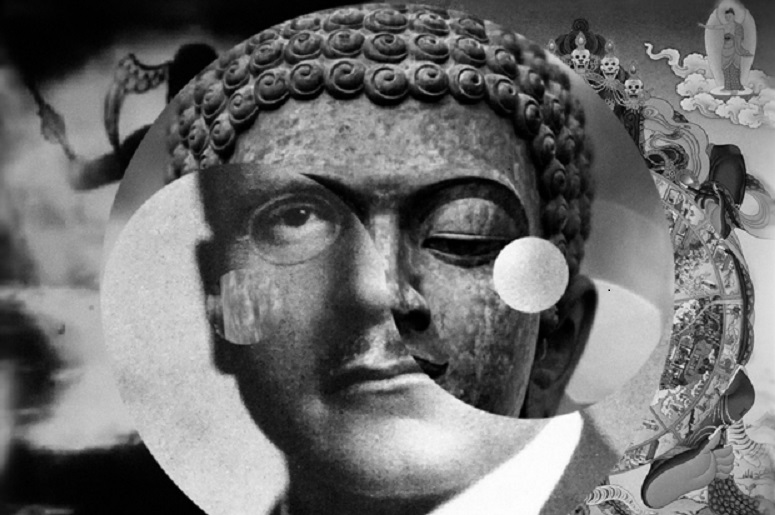
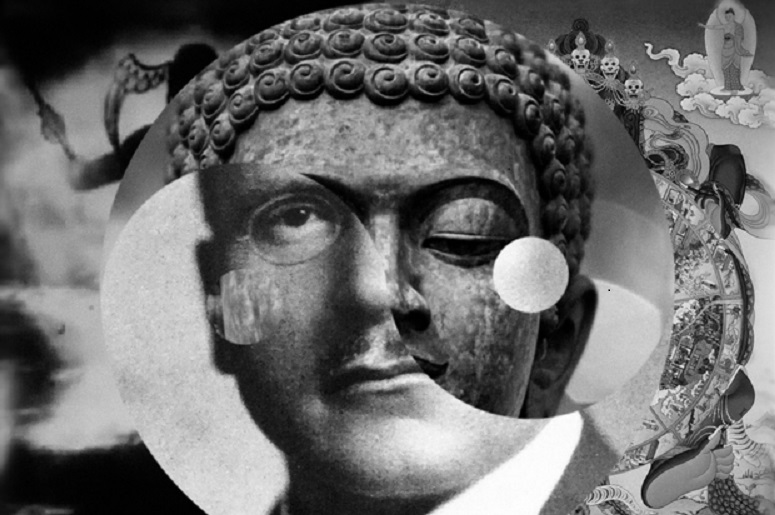
Carl Jung, a pioneering figure in depth psychology, introduced the concept of *unus mundus*, or “one world,” as a fundamental idea that suggests the underlying unity of all existence and experience. On the other side of the spiritual spectrum, Vajrayana Buddhism presents the profound practice of *mahamudra*, which translates to the “great seal,” as a direct method to realize the ultimate nature of mind and our true potential. Despite their origins in vastly different cultural and philosophical traditions, Jung’s *unus mundus* and the concept of *mahamudra* in Vajrayana Buddhism share profound similarities in their exploration of the interconnectedness and unity of existence. This blog post delves into these two concepts, exploring how they converge and what they offer to the understanding of reality and our human expierence.
Carl Jung’s *Unus Mundus*: The Unified Reality
*Unus mundus* is a term Carl Jung adopted from alchemical traditions of old to describe a primordial, unified reality from which all dualities—such as mind and matter, consciousness and unconsciousness—emerge. According to Jung, this concept represents a foundational state of oneness where all distinctions of phenomenon dissolve, revealing deep interconnectedness.
Jung used the idea of *unus mundus* to explain synchronicity, those meaningful coincidences where inner psychological states and outer physical events align in a way that defies our rational explanation. He believed that these synchronicities provided glimpses into the underlying unity of existence, where the psyche and the physical world are not separate but are manifestations of the same underlying reality.
Jung’s *unus mundus* suggests that all phenomena, whether psychological or physical, arise from and return to this unified source. This idea challenges the conventional, dualistic worldview by proposing that the distinctions we perceive between different aspects of reality are illusory at best and that, at the deepest level, everything really everything is interconnected.
Vajrayana Mahamudra: The Ultimate Nature of Mind
In Vajrayana Buddhism, *mahamudra* represents the Buddha’s highest teachings and this practice, aiming to directly realize the ultimate nature of mind. The term “mahamudra” literally means “great seal,” signifying that everything—Subject, Object, and Action or our thoughts, emotions, and experiences—bears the “seal” of ultimate truth, which is emptiness or *shunyata*. This practice involves recognizing the mind’s true nature, which is empty of inherent existence yet full of blissful luminous clarity and deep awareness.
The practice of *mahamudra* is considered a direct path to enlightenment because it bypasses conceptual understanding, instead leading practitioners to a direct, experiential realization of the non-dual nature of reality. In *mahamudra*, all phenomena are seen as expressions of the mind’s intrinsic luminosity and emptiness, and practitioners learn to rest in the natural state of awareness, free from attachment and aversion to our incessant dualistic thinking.
The realization of *mahamudra* brings a profound understanding that the distinctions between subject and object, self and other, and our actions are mere illusions. This realization leads to a state of non-dual awareness, where one sees the interconnectedness of all phenomena and experiences the world as a seamless whole.
– Jung’s exploration of *unus mundus* suggests that reality is a unified whole where the psyche and the material world are not separate entities but are deeply interconnected. This idea resonates with the *mahamudra* view that all phenomena, including thoughts and emotions, are expressions of the same fundamental reality—emptiness and luminosity. Both concepts challenge the conventional understanding of reality as composed of separate, independent entities and instead propose a view of reality as an interconnected web of relationships. Carl Jung’s concept of *unus mundus* and the Vajrayana Buddhist practice of *mahamudra* both offer profound insights into the nature of reality and the human experience. While *unus mundus* provides a framework for understanding the interconnectedness of mind and matter, *mahamudra* offers a practical method for directly realizing the non-dual nature of mind and reality.
By comparing these two concepts, we see that both Jung and the Vajrayana tradition point toward a deeper, unified reality or mind that transcends ordinary, dualistic perceptions. Whether through the lens of Western psychology or Eastern spirituality, the journey to understanding this unity involves moving beyond conceptual thinking and experiencing reality directly as it is—a seamless, interconnected whole. In this sense, both *unus mundus* and *mahamudra* remind us that the distinctions we perceive in the world are, at their core, illusory, and that true wisdom lies in realizing the fundamental oneness of all phenomena.
 QUANTUM AWARENESS Where Science and the Buddha Meet