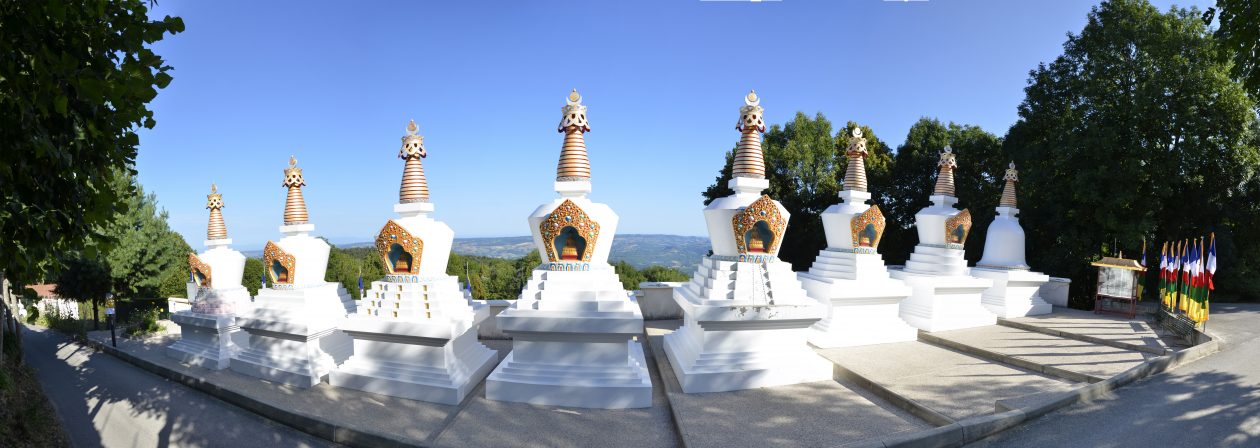

Did you know that deep breathing might actually stimulate parts of your brain? Recent MRI studies show that when you take a sharp, deep breath, the lower part of your brain—including the thalamus, hypothalamus, pineal gland, pituitary gland, and cerebellum—gets gently shifted by the movement of your sinuses and trachea. This could have some amazing effects on your health, well-being, and even spiritual awareness.
Deep breathing boosts oxygen levels, helping your brain function better and improving focus and clarity. It also activates your parasympathetic nervous system—the part responsible for relaxation—helping to lower stress and anxiety. Since the hypothalamus and pituitary gland regulate hormones, deep breathing might even help balance mood, energy, and metabolism. Better oxygenation and stimulation of the cerebellum can improve coordination, posture, and overall body awareness.
Tummo is an advanced meditation practice within the Tibetan Buddhist tradition, known for generating inner heat to enhance meditation and spiritual awakening. Famous among monks in the Himalayan regions, Tummo involves breathing techniques, visualization, and meditation. By focusing on the navel chakra, practitioners generate a warm energy within, creating what is described as “psychic heat,” which helps in controlling the body’s energy channels and managing the mind’s energies. Through Tummo, practitioners aim for a profound meditative state, increasing mental clarity and spiritual insight while symbolically burning away impurities and distractions.
From the actual tantric view, the inner anatomy of our kleshas work in a way that they are supported as we ride on the bodily winds. Kleshas are the root cause of our suffering, they are our mental afflictions. They block our innate wisdom and joy. So when we put those winds into the Tummo fire, the kleshas cease to function and dissolve from within. We transform their energy or essence into wisdom. This is not just a visualization it’s a real inner alchemical process, that deepens the Buddha dharma‘s influence in our daily life and ultimately leads to liberation and enlightenment.
Hatha Yoga is known for its holistic approach to physical and mental well-being, where breathing exercises, or Pranayama, are key. These exercises regulate breath, which is believed to control life force, or prana. Techniques like the Ujjayi breath, Kapalabhati, and Nadi Shodhana are meant to calm the mind, purify the energy channels, and harmonize the body’s energies. Ujjayi breath involves a rhythmic in-and-out pattern through the nose with gentle throat constriction, fostering concentration. Pranayama in Hatha Yoga not only enhances physical health and lung capacity but also reduces stress and improves mental clarity, promoting overall balance and preparation for meditation.
In Hatha Yoga, practices like Kapalabhati and Bhastrika Pranayama align closely with the aims of Tibetan Tummo. Kapalabhati, or “skull shining breath,” involves rapid, forceful exhalations and passive inhalations, generating internal heat and cleansing the respiratory system. Bhastrika, or “bellows breath,” mimics a bellows with active inhalations and exhalations, building body heat and enhancing prana flow.
These practices show how breathwork can physiologically generate heat, similar to Tummo. Although Pranayama in Hatha Yoga doesn’t usually include the same meditative visualization as Tummo, they are all important in managing heat and energy within the body. Both traditions share a focus on breath as a powerful tool for stimulating the brain and enhancing mental and physical health.
This video linked from the Stevens Institute of Technology highlights a fascinating finding: breathing moves your brain, affecting the thalamus, hypothalamus, pineal gland, pituitary gland, and cerebellum as the sinuses and trachea move with each breath. This direct stimulation might influence mental clarity, emotional balance, and even spiritual awareness.
For instance, engaging the thalamus might enhance perception and focus, engaging the hypothalamus could influence mood and stress levels, and stimulating the pineal gland, often called the “third eye,” could impact intuition and awareness. The stimulation of the pituitary gland might affect hormonal balance, and engaging the cerebellum could improve coordination and balance.

Breathwork’s impact on specific areas of the brain could be compared to a gentle massage that influences these regions’ functionality. Just like physical massage increases blood flow and relieves tension in muscles, breathing exercises can enhance circulation and the delivery of oxygen to the brain. This boost in blood flow may help ensure that glands such as the hypothalamus and pituitary gland are well-nourished, potentially improving their ability to release hormones in a balanced manner. Enhanced blood circulation could help the glands work more efficiently, much like how a massage helps improve muscle function. This improvement might lead to better regulation of hormones related to mood, sleep, and metabolism, demonstrating yet another way deep breathing can contribute to overall health and well-being. Through this increased blood flow and rhythmic gentle pressure from breath movements, the body’s natural processes are supported, fostering both physical and mental health benefits.
Deep breathing isn’t just about physical health. Many ancient traditions link it to higher consciousness. Breathwork can lead to deep meditative states, vivid dreams, and heightened perception. Cultures around the world have used practices like pranayama and Tummo to enhance meditation and spiritual growth.
So next time you’re looking for a simple way to boost well-being, try a deep breath. Have you ever experimented with breathwork? What was your experience like?
QP

 QUANTUM AWARENESS Where Science and the Buddha Meet